Science
Your thyroid might be small, but it has a big impact on your body and mind.
Impact of the thyroid
gland on human health:
How we approach
thyroid care

Holistic approach
We understand that thyroid health is not solely determined by one factor but is influenced by various aspects of our lives. Adopting a holistic, whole-body approach, including managing stress, food intolerances and filing nutrient gaps, can help you return to your healthy self instead of using lifelong band-aid solutions that mask the problem and worsen the thyroid over time.

Root cause analysis
A root cause-based approach to thyroid treatment involves identifying and addressing the underlying factors contributing to thyroid dysfunction rather than solely focusing on symptom management or using a one-size-fits-all approach. In some cases, treating the root cause can prevent the development or progression of thyroid issues. For example, managing autoimmune conditions or nutritional deficiencies early on can avoid thyroid problems from worsening.
Recognising uncontrollable factors
Environmental factors can play a significant role in the increasing prevalence of autoimmune thyroid disorders. Our immune system is in a constant state of attack with more than 250 billion tonnes of toxic chemical substances being emitted into the Earth's atmosphere every year. Minimising exposure to toxins, maintaining a balanced diet, managing stress, and promoting overall well-being can help mitigate the impact of these environmental contributors on thyroid health.

Knowledge is power
Education on thyroid problems is essential for early detection, prevention and improving the overall quality of life for those affected. Through education, individuals can take a proactive role in managing their own health. They can make informed decisions about lifestyle, diet, and treatment options, leading to better self-care. It also plays a significant role reducing stigma, raising awareness, and fostering a more informed and engaged approach to care.

Leading with empathy
Thyroid conditions aren't just medical challenges; they are deeply personal to you and to us, too. At Duyu, we recognise the human side of thyroid issues. We're devoted to supporting you with radically empathetic care at every step of your health journey, providing emotional and compassionate support to help manage and overcome these challenges.
Why filling nutrient gaps is so important
While it’s possible to get essential nutrients from maintaining a balanced diet, the typical Western diet is low in several very important nutrients, including Vitamin B12, iron, and iodine.
Filling nutrient gaps when you have thyroid problems is a fundamental aspect of managing these conditions effectively. Nutrients like iodine, selenium, and zinc are essential for the synthesis and regulation of thyroid hormones.
A deficiency in these nutrients can hinder the thyroid's ability to produce and convert hormones properly, exacerbating thyroid problems. Filling other nutrient gaps is powerful in helping to manage and alleviate symptoms. For example, iron deficiency can lead to hair loss, which is already a common issue in thyroid disorders.
Having the right dose is important for safety and efficacy. Together with expert nutritionists, we have formulated Thyroid Hero® to support you with naturally derived, ethically sourced, and clinically validated micronutrients working synergistically to support your thyroid function.
Our process
Our products undergo a rigorous research and development process, vetted by our Scientific Community and manufacturing partners.
Powerful, natural formulas
Sustainable and ethical sourcing
Rigorous
testing
Condition-specific scientific evidence, research and knowledge gathering.

Vitamin, mineral and herbal ingredients suitability analysis, expert panel scoring every ingredient across multiple factors.
Optimisation of product for potency, bioavailability and synergistic benefits.
Direct sourcing of ingredients, farm to capsule, transparency and assured quality.

Extensive physico chemical and micro-biological laboratory testing, third party audit testing, consumer preference testing, certified under Ayush Herbal testing.
The science behind Thyroid Hero
What each ingredient does in the body
Vitamin B1
Helps restore the stem cells that seal and heal gaps in the gastrointestinal tract (leaky gut). Vitamin D helps to re-train T and B cell soldiers to regulate inflammation and antibodies attacking the thyroid.
Vitamin B2
Essential for converting thyroid hormones into their active form. Riboflavin supports the enzymes that regulate cellular energy production and helps reduce oxidative stress in thyroid tissue.

Iodine
The primary building block of thyroid hormones T3 and T4. Without adequate iodine the thyroid cannot synthesise the hormones that govern metabolism, energy, and body temperature.
Magnesium Glycinate
Activates over 300 enzymatic reactions, including those that convert inactive T4 into active T3. The glycinate form is highly bioavailable and supports restful sleep, reducing the cortisol that suppresses thyroid function.

Zinc
Required for the production, conversion, and receptor-binding of thyroid hormones. Zinc also modulates immune function, helping to calm the autoimmune response that underlies Hashimoto's thyroiditis.

Selenium
Powers the selenoprotein enzymes (deiodinases) that convert T4 into active T3. Selenium also protects the thyroid gland from hydrogen peroxide generated during hormone synthesis.
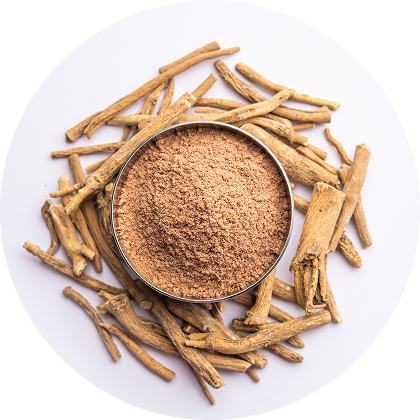
Ashwagandha
An adaptogenic root that lowers elevated cortisol levels, which otherwise inhibit TSH secretion and suppress T4-to-T3 conversion. Clinical studies show it can meaningfully increase T3 and T4 levels in subclinical hypothyroidism.
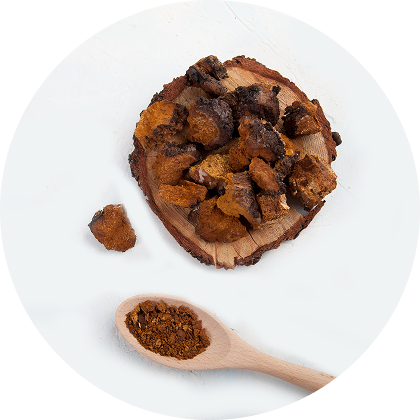
Organic Chaga
A medicinal mushroom rich in beta-glucans and antioxidants that modulate immune activity. Chaga helps quiet the chronic low-grade inflammation that drives autoimmune thyroid conditions.
L-Tyrosine
The amino acid backbone of thyroid hormones — T3 and T4 are synthesised by combining tyrosine with iodine. Supplemental L-Tyrosine supports hormone production when dietary intake is insufficient.
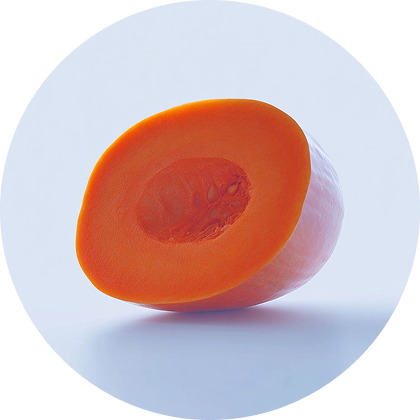
Beta Carotene
A precursor to Vitamin A that regulates thyroid hormone receptor expression and gene transcription. Adequate beta carotene levels help cells respond correctly to circulating thyroid hormones.
Iron
Iron-dependent thyroid peroxidase (TPO) is the enzyme responsible for iodinating thyroglobulin during hormone synthesis. Even mild iron deficiency impairs TPO activity and reduces T4 output.
Vitamin D3
Acts as a hormone that binds to receptors on thyroid and immune cells, suppressing the autoimmune attack on the thyroid gland and supporting the production of regulatory T-cells that prevent tissue destruction.
Vitamin B12
Deficiency is prevalent in hypothyroid patients and amplifies fatigue, brain fog, and nerve dysfunction. B12 is essential for myelin sheath integrity, red blood cell formation, and DNA synthesis in rapidly dividing thyroid cells.
Vitamin B1
Helps restore the stem cells that seal and heal gaps in the gastrointestinal tract (leaky gut). Vitamin D helps to re-train T and B cell soldiers to regulate inflammation and antibodies attacking the thyroid.
Vitamin B2
Essential for converting thyroid hormones into their active form. Riboflavin supports the enzymes that regulate cellular energy production and helps reduce oxidative stress in thyroid tissue.
Iodine
The primary building block of thyroid hormones T3 and T4. Without adequate iodine the thyroid cannot synthesise the hormones that govern metabolism, energy, and body temperature.
Magnesium Glycinate
Activates over 300 enzymatic reactions, including those that convert inactive T4 into active T3. The glycinate form is highly bioavailable and supports restful sleep, reducing the cortisol that suppresses thyroid function.
Zinc
Required for the production, conversion, and receptor-binding of thyroid hormones. Zinc also modulates immune function, helping to calm the autoimmune response that underlies Hashimoto's thyroiditis.
Selenium
Powers the selenoprotein enzymes (deiodinases) that convert T4 into active T3. Selenium also protects the thyroid gland from hydrogen peroxide generated during hormone synthesis.
Ashwagandha
An adaptogenic root that lowers elevated cortisol levels, which otherwise inhibit TSH secretion and suppress T4-to-T3 conversion. Clinical studies show it can meaningfully increase T3 and T4 levels in subclinical hypothyroidism.
Organic Chaga
A medicinal mushroom rich in beta-glucans and antioxidants that modulate immune activity. Chaga helps quiet the chronic low-grade inflammation that drives autoimmune thyroid conditions.
L-Tyrosine
The amino acid backbone of thyroid hormones — T3 and T4 are synthesised by combining tyrosine with iodine. Supplemental L-Tyrosine supports hormone production when dietary intake is insufficient.
Beta Carotene
A precursor to Vitamin A that regulates thyroid hormone receptor expression and gene transcription. Adequate beta carotene levels help cells respond correctly to circulating thyroid hormones.
Iron
Iron-dependent thyroid peroxidase (TPO) is the enzyme responsible for iodinating thyroglobulin during hormone synthesis. Even mild iron deficiency impairs TPO activity and reduces T4 output.
Vitamin D3
Acts as a hormone that binds to receptors on thyroid and immune cells, suppressing the autoimmune attack on the thyroid gland and supporting the production of regulatory T-cells that prevent tissue destruction.
Vitamin B12
Deficiency is prevalent in hypothyroid patients and amplifies fatigue, brain fog, and nerve dysfunction. B12 is essential for myelin sheath integrity, red blood cell formation, and DNA synthesis in rapidly dividing thyroid cells.
Vitamin B1
Helps restore the stem cells that seal and heal gaps in the gastrointestinal tract (leaky gut). Vitamin D helps to re-train T and B cell soldiers to regulate inflammation and antibodies attacking the thyroid.
Vitamin B2
Essential for converting thyroid hormones into their active form. Riboflavin supports the enzymes that regulate cellular energy production and helps reduce oxidative stress in thyroid tissue.
Iodine
The primary building block of thyroid hormones T3 and T4. Without adequate iodine the thyroid cannot synthesise the hormones that govern metabolism, energy, and body temperature.
Magnesium Glycinate
Activates over 300 enzymatic reactions, including those that convert inactive T4 into active T3. The glycinate form is highly bioavailable and supports restful sleep, reducing the cortisol that suppresses thyroid function.
Zinc
Required for the production, conversion, and receptor-binding of thyroid hormones. Zinc also modulates immune function, helping to calm the autoimmune response that underlies Hashimoto's thyroiditis.
Selenium
Powers the selenoprotein enzymes (deiodinases) that convert T4 into active T3. Selenium also protects the thyroid gland from hydrogen peroxide generated during hormone synthesis.
Ashwagandha
An adaptogenic root that lowers elevated cortisol levels, which otherwise inhibit TSH secretion and suppress T4-to-T3 conversion. Clinical studies show it can meaningfully increase T3 and T4 levels in subclinical hypothyroidism.
Organic Chaga
A medicinal mushroom rich in beta-glucans and antioxidants that modulate immune activity. Chaga helps quiet the chronic low-grade inflammation that drives autoimmune thyroid conditions.
L-Tyrosine
The amino acid backbone of thyroid hormones — T3 and T4 are synthesised by combining tyrosine with iodine. Supplemental L-Tyrosine supports hormone production when dietary intake is insufficient.
Beta Carotene
A precursor to Vitamin A that regulates thyroid hormone receptor expression and gene transcription. Adequate beta carotene levels help cells respond correctly to circulating thyroid hormones.
Iron
Iron-dependent thyroid peroxidase (TPO) is the enzyme responsible for iodinating thyroglobulin during hormone synthesis. Even mild iron deficiency impairs TPO activity and reduces T4 output.
Vitamin D3
Acts as a hormone that binds to receptors on thyroid and immune cells, suppressing the autoimmune attack on the thyroid gland and supporting the production of regulatory T-cells that prevent tissue destruction.
Vitamin B12
Deficiency is prevalent in hypothyroid patients and amplifies fatigue, brain fog, and nerve dysfunction. B12 is essential for myelin sheath integrity, red blood cell formation, and DNA synthesis in rapidly dividing thyroid cells.
Our Scientific
Community
Our scientific community comprises renowned experts in various fields, from diagnostics to hormonal health, endocrinology, nutrition, metabolic disorders, toxicology, disease prevention, and cutting-edge AI disease detection. With a track record of leading research, advising the World Health Organisation, and residencies at prestigious institutions like the University of Oxford, Imperial College London, and University College London, our scientists are pivotal in addressing today`s and tomorrow`s pressing health challenges.

Hannah Brown
Registered Nutritional Therapist
BCNH College of Nutrition & Health
The Institute For Functional Medicine
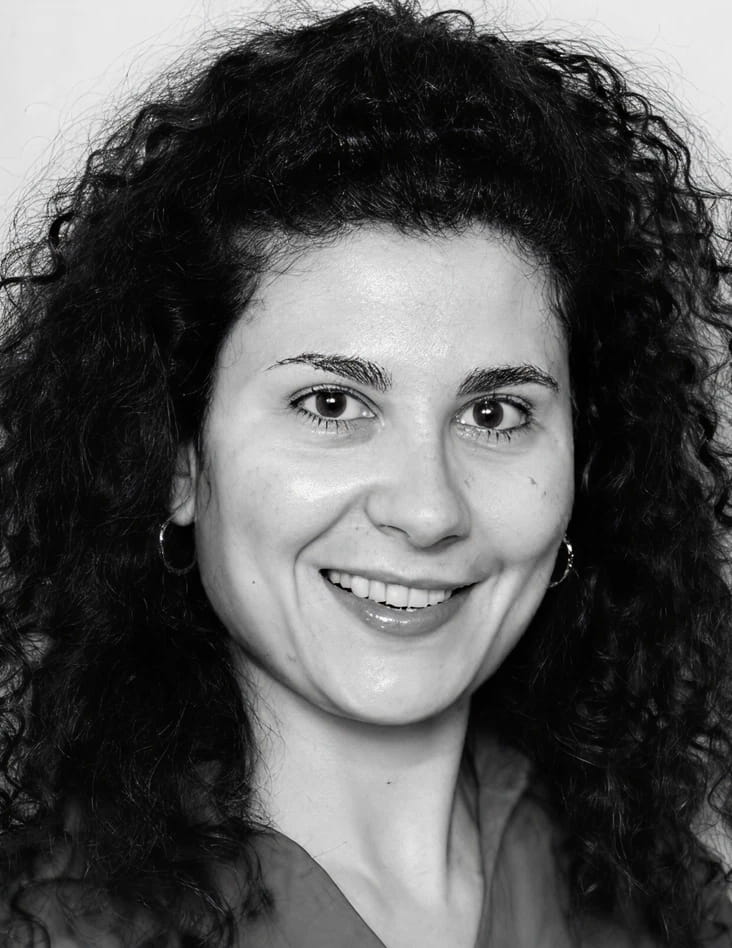
Dr. Rajna Golubic
NIHR Academic Clinical Lecturer in Diabetes And Endocrinology
University of Oxford
University of Cambridge

Dr. Melissa Wickremasinghe
Consultant and Digital Healthcare Innovator
Imperial College London
St. Marys Hospital
Hannah Brown
Registered Nutritional Therapist
BCNH College of Nutrition & Health
The Institute For Functional Medicine
Dr. Rajna Golubic
NIHR Academic Clinical Lecturer in Diabetes And Endocrinology
University of Oxford
University of Cambridge
Dr. Melissa Wickremasinghe
Consultant and Digital Healthcare Innovator
Imperial College London
St. Marys Hospital
Helping you
Feel better,
consistently.
Nutritional Supplementation is the most impactful when used routinely. Subscribing to Duyu ensures your 30-day supply of Thyroid Hero® reaches you without delay, so you don’t have to miss a day of benefits.